Student Research Dictionary
-

Adolescence is the transitional time from childhood to adulthood. During this time, teens experience many physical, emotional, and social changes, including puberty, which makes them capable of having children. When a teenager becomes pregnant, it often brings many challenges. Teen mothers may face health risks, such as having babies with low birth weight or…
-

Expectations are beliefs, standards held upon someone or something for the future. The cause for expectations within family stem from cultural values, parental experiences, etc. In this case Hispanic culture has the concept of “familismo” which epitomizes the strong structure within the family and loyalty. This is good but leads the parents to have…
-

Exploitation is benefittng from someone else’s work without paying fair compensation. It is no surprise that many employees have expressed feeling exploited by their job in recent years. Although some may say that is not something new and that people have been overworked since the dawn of time the things have changed and it has…
-

Financial wellness is an adult’s view of their money and transactions. It shows how well a person manages their financial life. People recognize financial wellness as benefit, goals and satisfaction. People often mistake financial wellness as “free money” when it is benefits going to employees. One thing it is not is lots of money…
-

An opportunity is a chance to receive something or to do something. An opportunity is normally always positive and makes a positive impact in a person’s life. The main group of people who use this term is illegal immigrants. Illegal immigrants come to different countries to get what they cannot get at their own countries.…
-
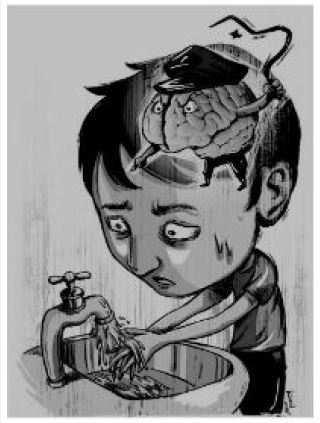
OCD is a mental health disorder dominated by excessive thoughts that lead to repetitive behaviors and compulsions. Most people see OCD as the common germaphobe, as well as the forgetful type. That is far from Vunsh’s issue. People mistake OCD for more simpler terms like being a perfectionist or acting quirky. They think simply being…
-

Schizophrenia is a mental disorder that affects a person’s ability to think, feel, and behave clearly. When schizophrenia is active it can create hallucinations, delusions, disorganized speech, trouble thinking and lacking motivation. Although some factors on the surface may seem similar, schizophrenia is not a dissociative identity disorder. Many people believe that schizophrenics have multiple…